
 Gifts by Interest
 Birthday Gifts
 Personalised Gifts
 Christmas Gifts
 Custom Apparel
 Mono.Gift Magazin
Promotional Gifts and Tax in Germany: Deductibility and Key Thresholds

For German tax purposes, first distinguish gifts to business contacts from benefits provided to employees. The recipient, value, timing and records all matter. A promotional logo does not by itself determine the tax treatment.
Germany · reviewed 30 October 2026. This is general information, not individual tax advice. Ask your tax adviser to check your circumstances, including VAT and payroll treatment.
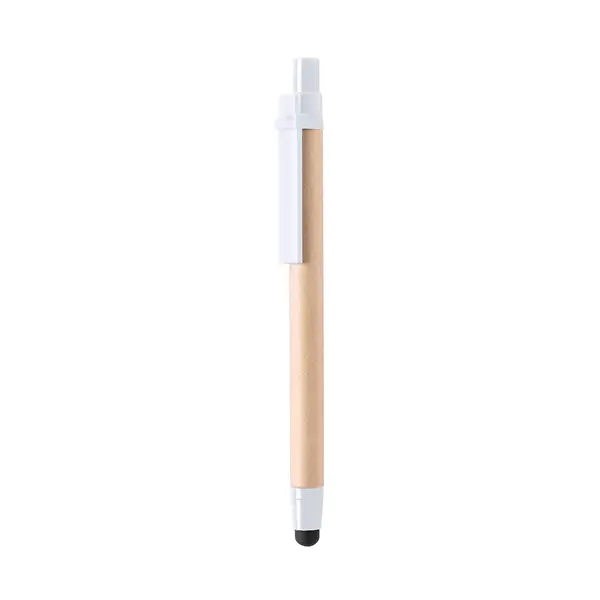
Promotional pens for your campaign
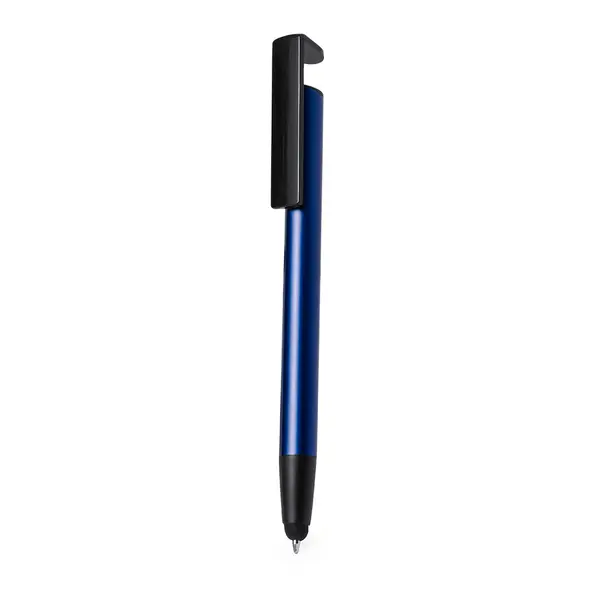
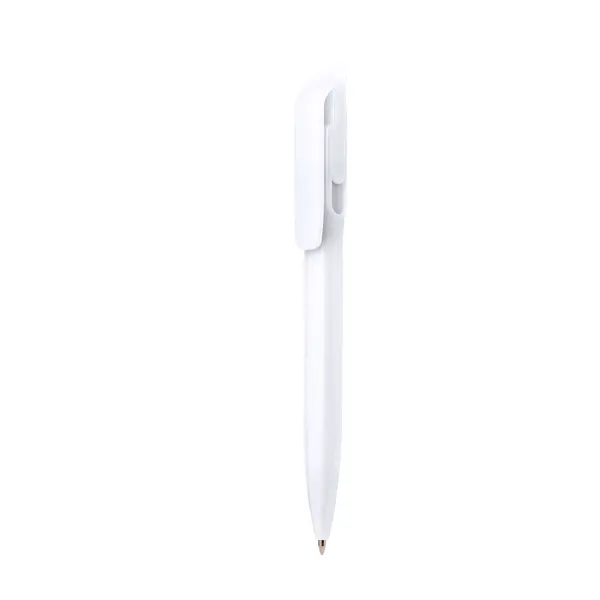
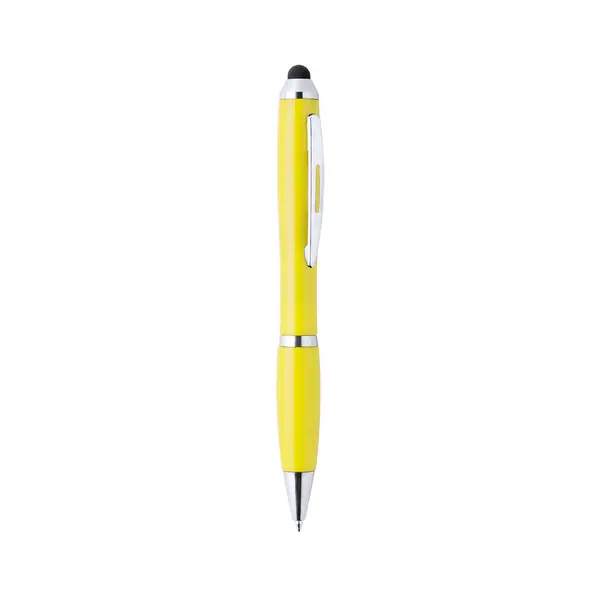
Gifts to business contacts: the €50 threshold
Under section 4(5), sentence 1, no. 1 EStG, the acquisition or production costs of gifts to a person who is not your employee must not exceed €50 in total for that recipient during the business year for the usual deduction exception to apply. This is a threshold, not an allowance that remains deductible above the limit.
For example, a qualifying €48 gift remains below the threshold if no other gifts take the annual total above €50. A €52 gift exceeds it. Two gifts costing €30 and €25 to the same recipient also exceed it. These examples assume that the stated amounts are the correctly determined costs for tax purposes and that the other requirements are met.
Do not confuse the different amounts
| Amount | Relevant context |
|---|---|
| €10 | The tax administration's treatment of low-value promotional articles when applying section 37b EStG; not a universal exemption from every gift rule. |
| €35 | A figure found in older guidance. It is not the current €50 business-gift deduction threshold. |
| €50 per recipient and business year | The business-gift deduction rule for non-employees described above. |
| €50 per calendar month | A separate rule for qualifying employee benefits in kind. |
| €60 | A separate rule for certain non-cash employee gifts on personal occasions. |
The Finance Ministry guidance on section 37b treats qualifying items costing no more than €10 as low-value promotional articles for that particular provision. It should not be read as saying that every repeated gift below €10 is automatically deductible, tax-free for every recipient and exempt from all record-keeping.
What does section 37b EStG do?
Section 37b EStG allows the giver to apply a 30% flat income-tax rate to certain qualifying non-cash benefits. The provision has conditions and exclusions, including €10,000 limits. It concerns the taxation of benefits; choosing it does not override the separate business-expense deduction restrictions. Check eligibility and the full tax cost with your adviser.
Gift ideas for business contacts


Employee benefits and personal occasions
Section 8(2) EStG contains a €50 monthly threshold for qualifying benefits in kind. Conditions apply, including specific requirements for vouchers and cards. This is separate from the annual business-gift threshold and should be checked through payroll.
The Finance Ministry's 2026 guidance on employee attentions covers certain non-cash gifts worth up to €60 given for a special personal occasion. Cash is treated differently. Do not automatically classify a general Christmas gift as a personal-occasion gift.
Records, VAT and budgeting
Keep invoices and identify the recipient, date, business purpose and value. Record relevant gift expenditure separately from other business expenses, as explained in ELSTER's official guidance. Use the accounts and documentation agreed with your accountant rather than relying on a universal account number.
Have VAT treatment checked separately. Whether recoverable VAT forms part of the relevant cost, and whether a transfer has VAT consequences, depends on the circumstances. Do not assume that an old €35 rule or the income-tax threshold answers every VAT question.
For purchasing, compare the full order cost: product, branding, packaging and delivery. Explore pens, notebooks and bags, then check the tax treatment of the planned gifts before committing to a budget.
Frequently asked questions
Can I deduct only the first €50 of a more expensive business gift?
The rule discussed here is a threshold, not a deductible allowance. Exceeding it can exclude the whole relevant gift expense from deduction.
Does paying flat-rate tax make an otherwise non-deductible gift deductible?
No. Flat-rate taxation and the giver's deduction are separate questions.
Are the employee limits the same as the business-contact limit?
No. The monthly benefits-in-kind rule and personal-occasion rule have different conditions and must be assessed separately.
What else should I check?
Confirm whether the recipient may accept the gift and use the occasion guide to plan products and quantities.