
 Gifts by Interest
 Birthday Gifts
 Personalised Gifts
 Christmas Gifts
 Custom Apparel
 Mono.Gift Magazin
Which Promotional Gift Suits the Occasion?
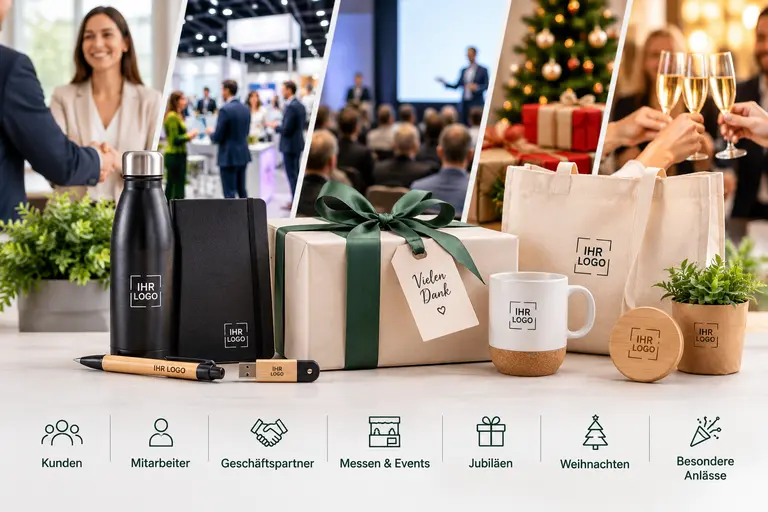
Choose a promotional gift in this order: occasion, audience, budget, then product. Trade-fair visitors usually need something useful and compact. Christmas gifts and employee welcome packs often call for a more personal selection. Tax and acceptance rules depend on the recipient and should be checked separately.
Compact event giveaways


Which gift suits which occasion?
Whether you need gifts people will keep, practical event giveaways or a personal thank-you, the product should fit its intended use. The following budget ranges are illustrative planning figures from the German guide, not quotations or guaranteed market prices.
| Occasion | Indicative budget | Products to consider |
|---|---|---|
| Trade fairs and events | €0.50–25 per item | Pens, torches, keyrings, notepads and drinking cups |
| Christmas gifts for business contacts | €20–50 as a planning range; check tax requirements separately | Blankets, insulated flasks, quality pens and notebooks |
| Employee gifts | Depends on the occasion and applicable payroll treatment | Blankets, mugs and curated product combinations |
| Onboarding boxes | Approximately €20–90 for contents per box | A mug, notebook, pen and suitable textiles |
| Private wedding favours | Approximately €1.50–3 per person | Small personalised keepsakes with appropriate packaging |
| Club raffles and sponsorship | As agreed with the sponsor | Individual products or gift combinations |
Include branding, packaging and delivery when comparing offers. A planning budget is not the same as a tax allowance. For German businesses, see the tax guide.
Trade-fair giveaways: useful, light and compact
A successful giveaway is something the visitor will use after leaving the event. Explore office products and leisure accessories. Keep branding visible but proportionate, and assess quality before increasing the order quantity.
If you are unsure what to choose, first establish who will attend and how you plan to distribute the items. A small gift bag can combine several useful items with information about your business. Avoid filling it with products that do not suit the audience simply to make it look larger.
How many items should you order?
Use this planning formula: expected visitors × realistic distribution rate × reserve factor. For example, 10,000 visitors × 10% × 1.2 gives 1,200 items, including a 20% reserve. Do not add the same reserve twice.
The German guide suggests allowing at least four to six weeks as a planning starting point, and eight to twelve weeks for busy autumn event periods. Sampling, artwork approval and production can extend the schedule. Confirm the actual lead time for your chosen product and order rather than treating these figures as a delivery promise.
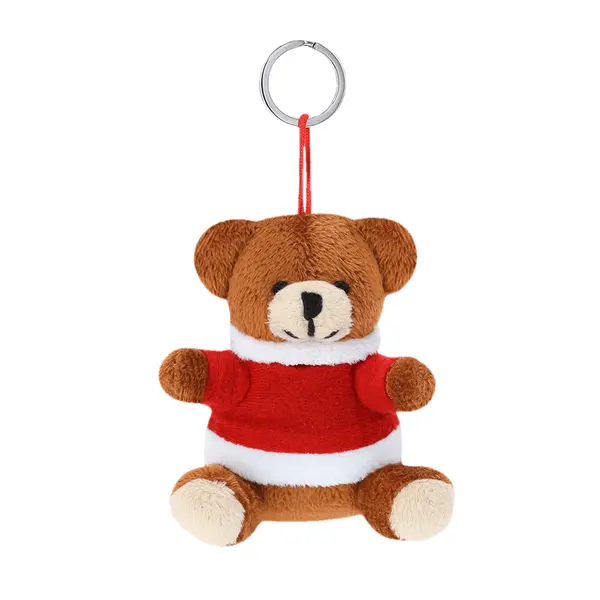
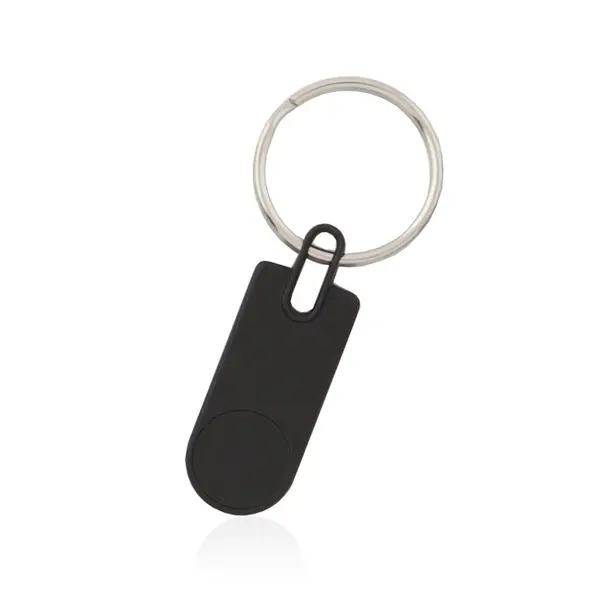
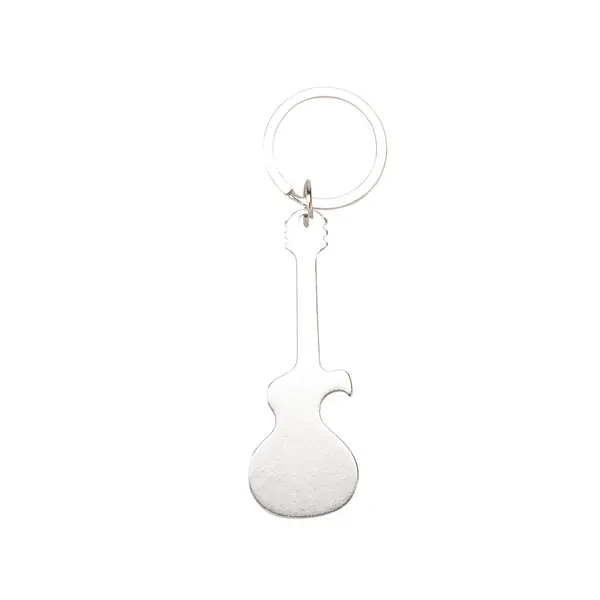
Small torches, practical keyrings and useful writing instruments can suit a broad event audience. Lanyards make most sense when attendees have a reason to wear them. Browse torches, keyrings and pens.
Christmas gifts for customers
Plan Christmas campaigns in autumn. Personalised goods need time for artwork approval and production, and availability may become more limited as the season progresses. Check stock and delivery dates before making a promise to recipients.
Business contacts and employees should not automatically be treated alike. A Christmas campaign does not by itself qualify as a personal employee occasion for tax purposes. Choose products from the Christmas range, such as a useful blanket or a quality writing instrument, and check the applicable treatment separately.
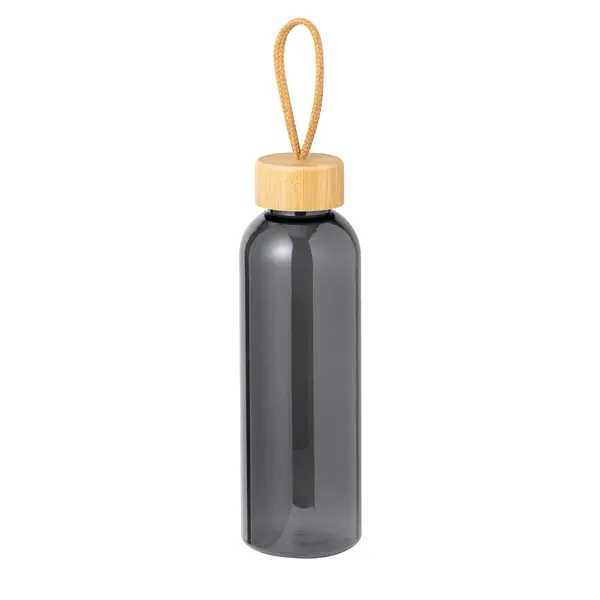
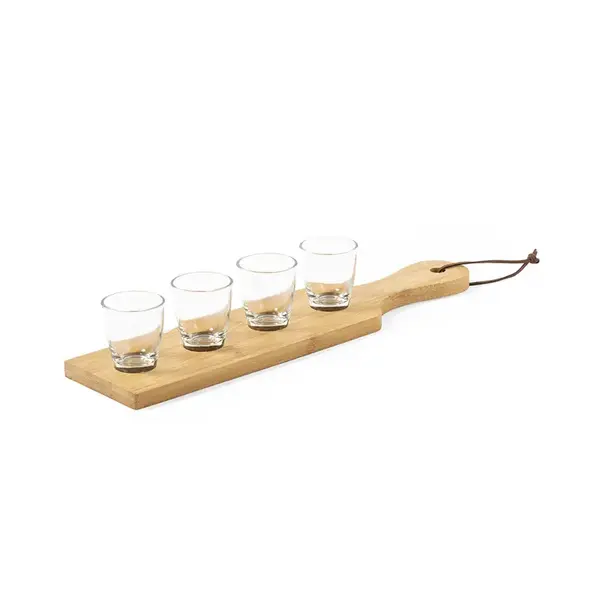
Christmas gift ideas



Employee welcome packs and thoughtful gifts
An onboarding box can combine a notebook, a pen, drinkware and a suitable textile. Aim for a coherent selection that helps someone settle into their new role.
The contents budget depends on the products chosen. Packaging, assembly and delivery to individual addresses may be charged separately. Allow time to check personalisation and packaging, and clarify how private addresses will be processed.
Correct names, a personal message and useful contents are more important than the sheer number of objects. See what recipients value for further selection criteria.
Weddings, birthdays and clubs
For private wedding favours, the guest count, packaging and personalisation determine the total budget. Small items carrying a name and date can be more appropriate than corporate-style branding. The same principle applies to milestone birthdays.
Clubs seeking raffle prizes should make a clear, professional sponsorship request: explain the occasion, expected attendance, quantity needed and the visibility offered to the sponsor. A precise request is easier to assess than a general appeal for free products.
Ideas by audience
- Trades and construction: measuring tools and other practical tools can fit the working day.
- Office and IT: notebooks, writing instruments and suitable device accessories are useful starting points.
- Healthcare and public services: first check the recipient's acceptance rules. Low-value items are not automatically permissible.
- Hospitality: explore kitchen products for relevant gifts. For branded food, use a supplier equipped to meet the applicable food requirements.
Frequently asked questions
How many giveaways do I need for a trade fair?
Multiply expected attendance by a realistic distribution rate, then apply one reserve factor. The example above gives 1,200 items for 10,000 visitors, a 10% distribution rate and a 20% reserve.
How early should I order?
Allow time for samples, artwork approval, production and delivery. Confirm the actual lead time with the supplier, especially for seasonal campaigns.
What belongs in an onboarding box?
A few useful, well-chosen items suited to the new employee's work, with accurate personalisation and thoughtful presentation.
Are the budget ranges fixed prices?
No. They are planning examples. Product choice, quantity, branding, packaging and delivery determine the actual quotation.
What should I check before ordering?
Audience fit, acceptance rules, the complete cost, artwork, production timing and tax treatment.